The event strongly attracted participation from lecturers and researchers across the faculty, creating an engaging environment for academic exchange and discussion. The session was moderated by Dr. Nguyen Thi Hong Hanh.
The seminar featured two speakers from the Department of Human and Animal Physiology: Assoc. Prof. Nguyen Phuc Hung and Assoc. Prof. Le Thi Tuyet.
The first presentation was delivered by Assoc. Prof. Nguyen Phuc Hung, who introduced his research titled “The Use of Soy By-Products as Alternative Protein Sources for Fish Meal in Aquafeeds”. The study examined the nutritional potential of soy products, which are rich in protein but contain anti-nutritional factors that may affect fish digestion. Ethanol extracts of soy by-products were analyzed and found to influence digestive physiology, including bile acid secretion and intestinal lipase activity. The research also evaluated supplementation of essential amino acids to improve the protein quality of soy-based diets, as soy may have an imbalanced amino acid profile compared with fish meal. Results indicated that balancing amino acids could enhance protein utilization and growth performance in aquaculture species. In addition, the study compared lipid and protein digestibility, investigated intestinal morphology in pompano fed soy diets, and proposed microbial fermentation as an effective way to reduce anti-nutritional factors and improve feed quality. Experiments using fermented soy residues in red tilapia showed promising results.
During the discussion, participants raised questions about methodology and practical applications. Dr. Le Thi Tuoi suggested combining soy fermentation with pineapple processing waste as a fermentation substrate to help reduce anti-nutritional compounds. Dr. Tran Khanh Van asked about the size of fish used in the experiments, potential feed dissolution in water, and the economic feasibility of soy-based feeds given Vietnam’s reliance on imported soybeans. In response, Assoc. Prof. Hung explained that experiments were conducted with fish at a specific growth stage for consistency and noted that proper feed formulation can improve pellet stability. He also emphasized that combining soy by-products with microbial fermentation could reduce costs and enhance nutritional value.
The second presentation was given by Assoc. Prof. Le Thi Tuyet, who shared results from her research project titled “Environmental and Genetic Factors Associated with Childhood Obesity in Hanoi”. The study integrated epidemiological data with genetic analysis to investigate how environmental conditions and genetic variations influence obesity risk among children. The project produced several international publications and involved interdisciplinary collaboration, including bioinformatics and data science.
During the discussion, participants asked about the study’s analytical methods and implications. Assoc. Prof. Nguyen Phuc Hung questioned whether the relationship between cesarean delivery and obesity had been adjusted for birth weight. Dr. Trieu Anh Trung suggested expanding genetic analysis beyond SNPs to broader approaches such as genome sequencing. Assoc. Prof. Doan Van Thuoc asked whether identified SNP markers could be developed into a genetic screening tool for early detection of obesity risk. Assoc. Prof. Le Phuong Hoa emphasized that lifestyle and socioeconomic factors also play a major role and recommended that prevention strategies include practical guidance for families and schools. Assoc. Prof. Le Thi Tuyet addressed these questions and discussed future research integrating genetic findings with environmental and behavioral interventions.
At the end of the seminar, Assoc. Prof. Tran Duc Hau delivered closing remarks, expressing his appreciation to the two speakers for their informative and thought-provoking presentations. He acknowledged the scientific value of the research shared during the seminar and emphasized the importance of maintaining regular academic seminars in English as a platform for faculty members to exchange ideas, improve research capacity, and promote international collaboration. On behalf of the Faculty of Biology, he extended sincere thanks to the speakers and participants for their active engagement, which contributed to the success of the event.
The seminar concluded in an enthusiastic and collaborative atmosphere, with many participants expressing interest in further discussion and potential research collaboration. The event not only showcased ongoing research within the faculty but also helped inspire new ideas and strengthen the academic research culture of the Faculty of Biology.
Some photos form the seminar
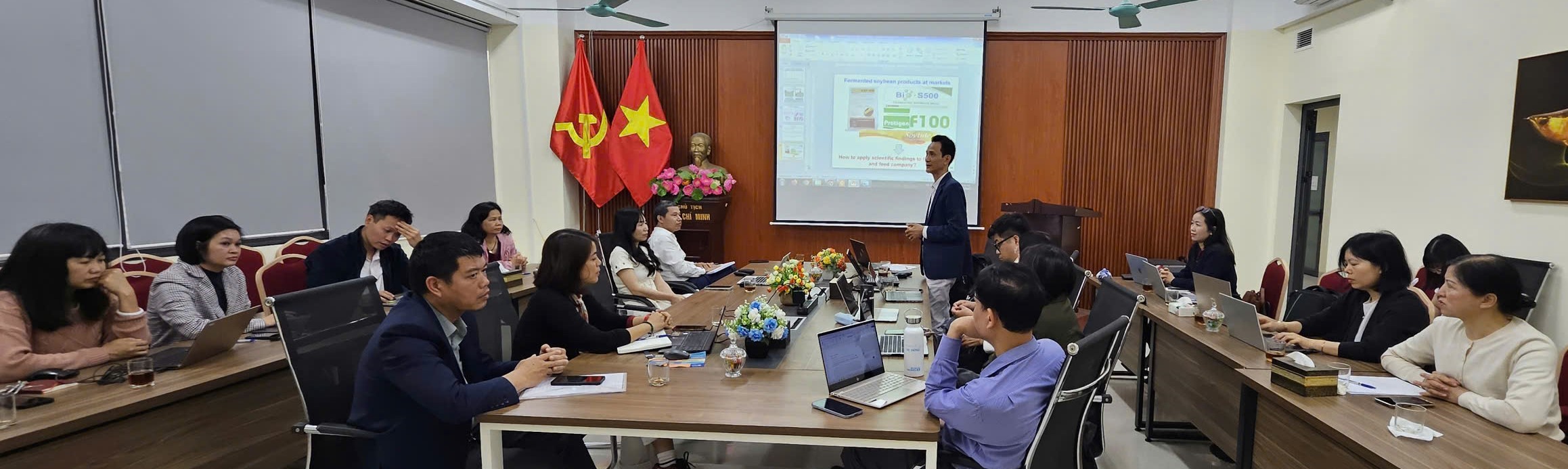
Photo 1. Overview of the seminar
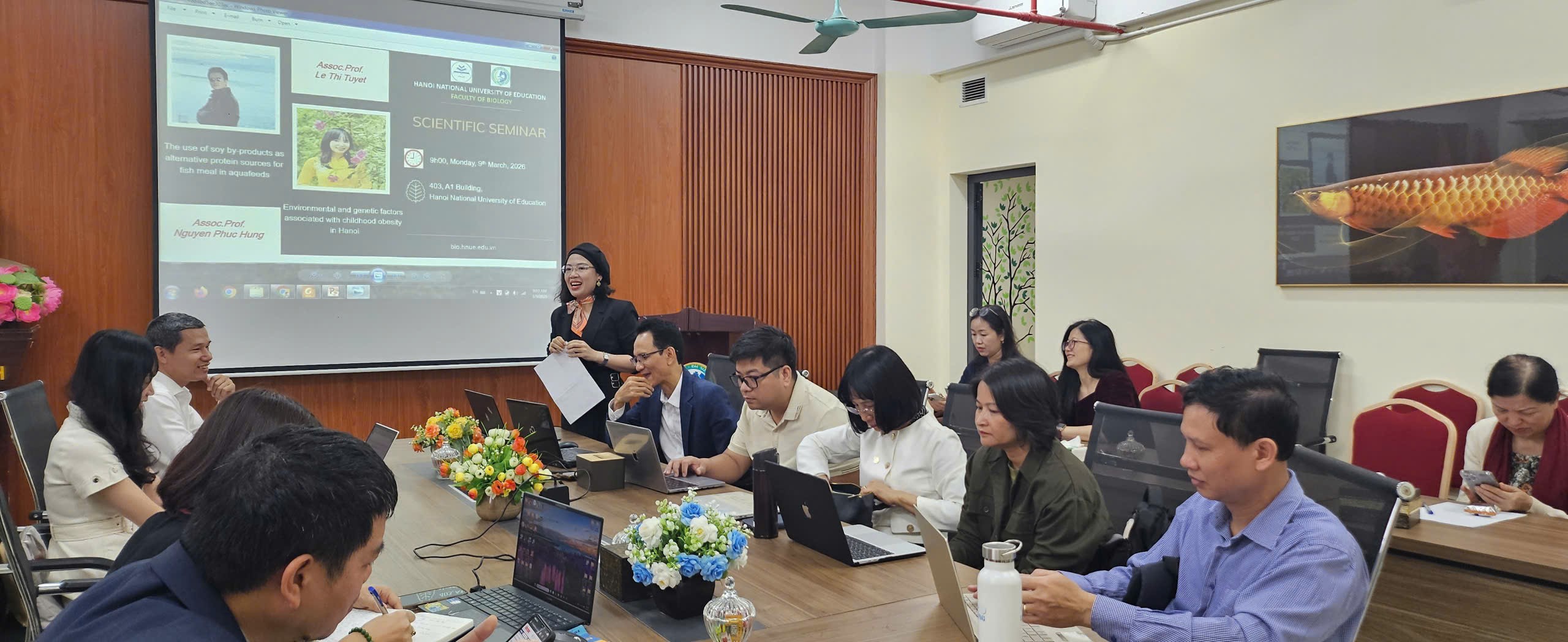
Photo 2. Dr. Nguyen Thi Hong Hanh moderates the seminar
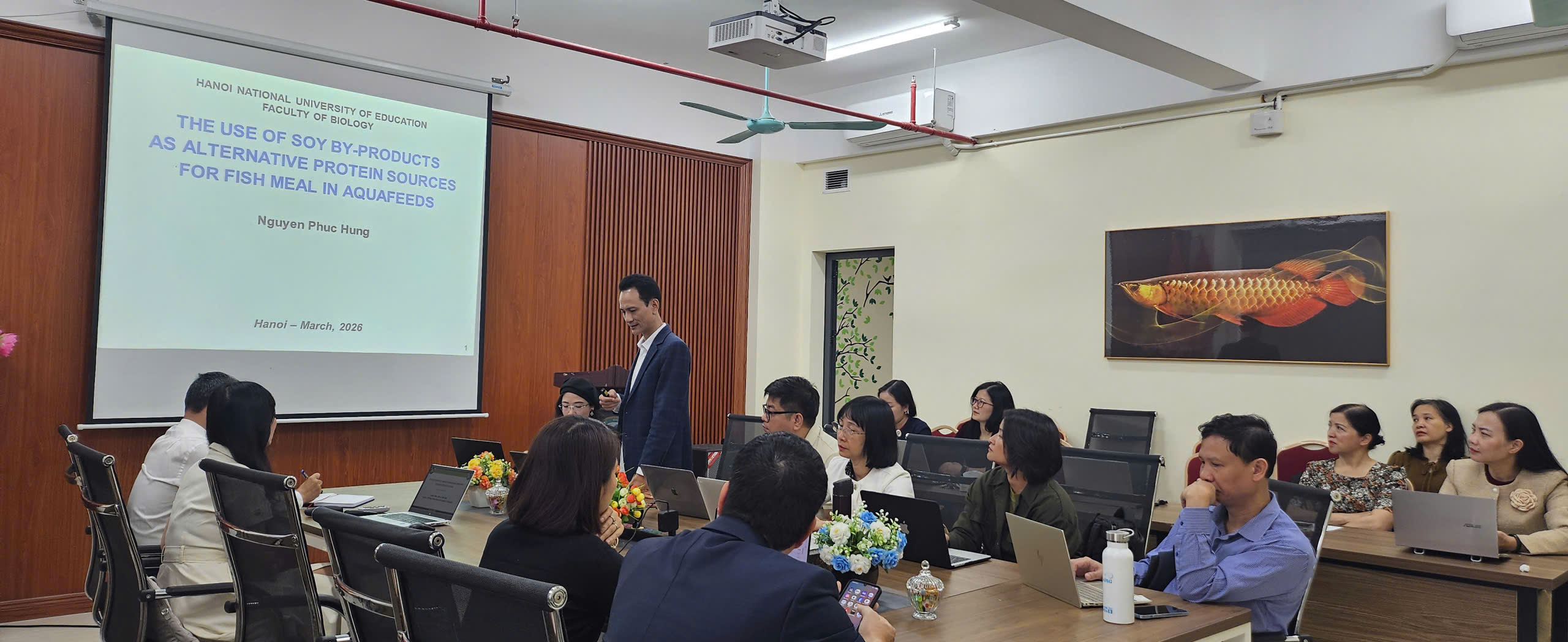
Photo 3. Assoc. Prof. Nguyen Phuc Hung presents his research
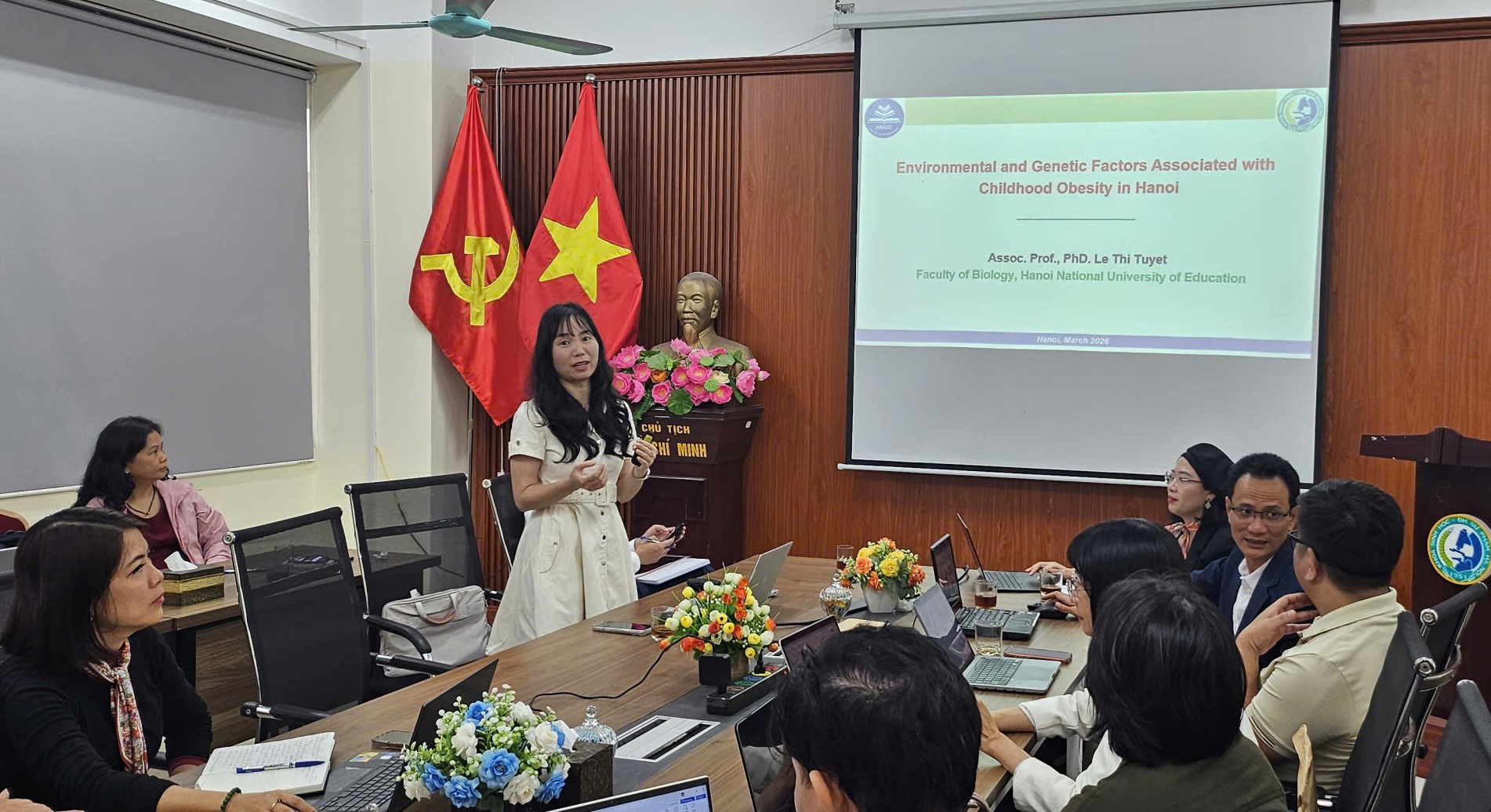
Photo 4. Assoc. Prof. Le Thi Tuyet presents her research

Photo 5. Scientists actively engage in discussion during the seminar
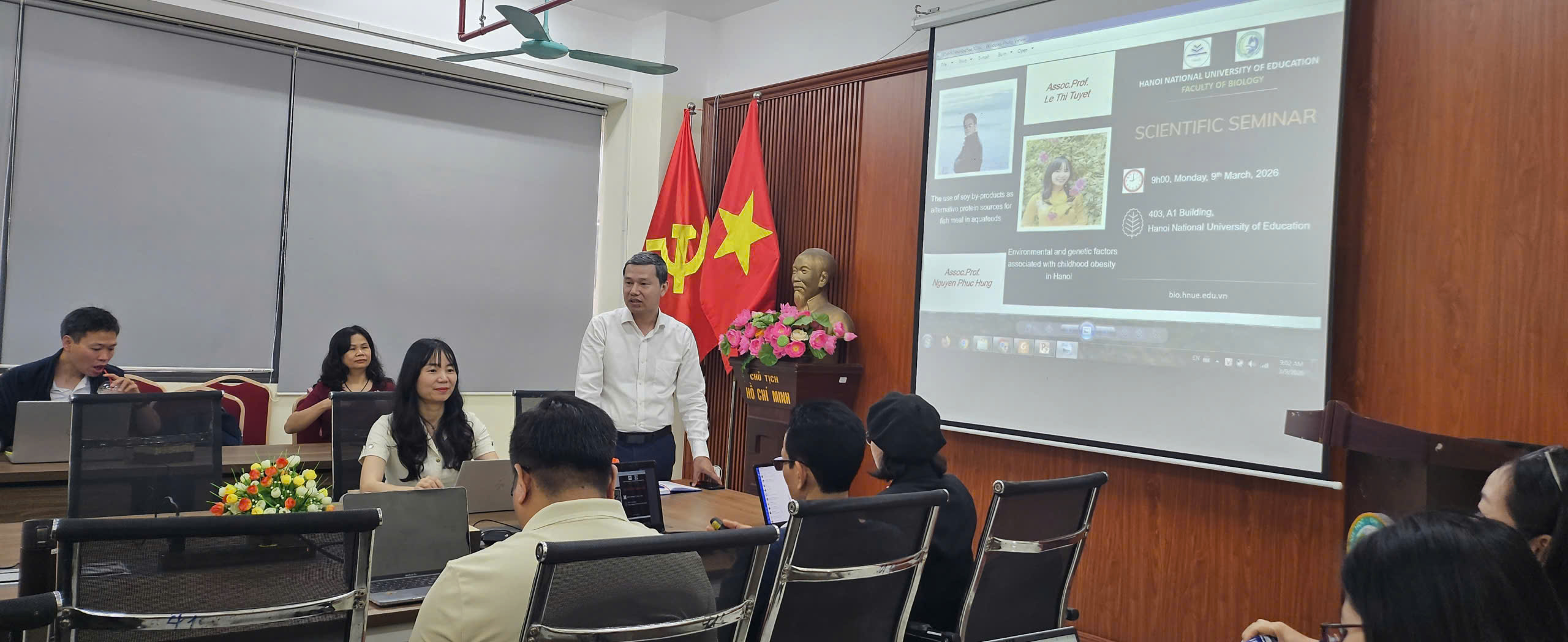
Photo 6. Assoc. Prof. Tran Duc Hau delivers remarks at the seminar

Photo 7. Present flowers to the speakers and take a commemorative photo
Written by: Dr. Nguyen Thi Hong Hanh