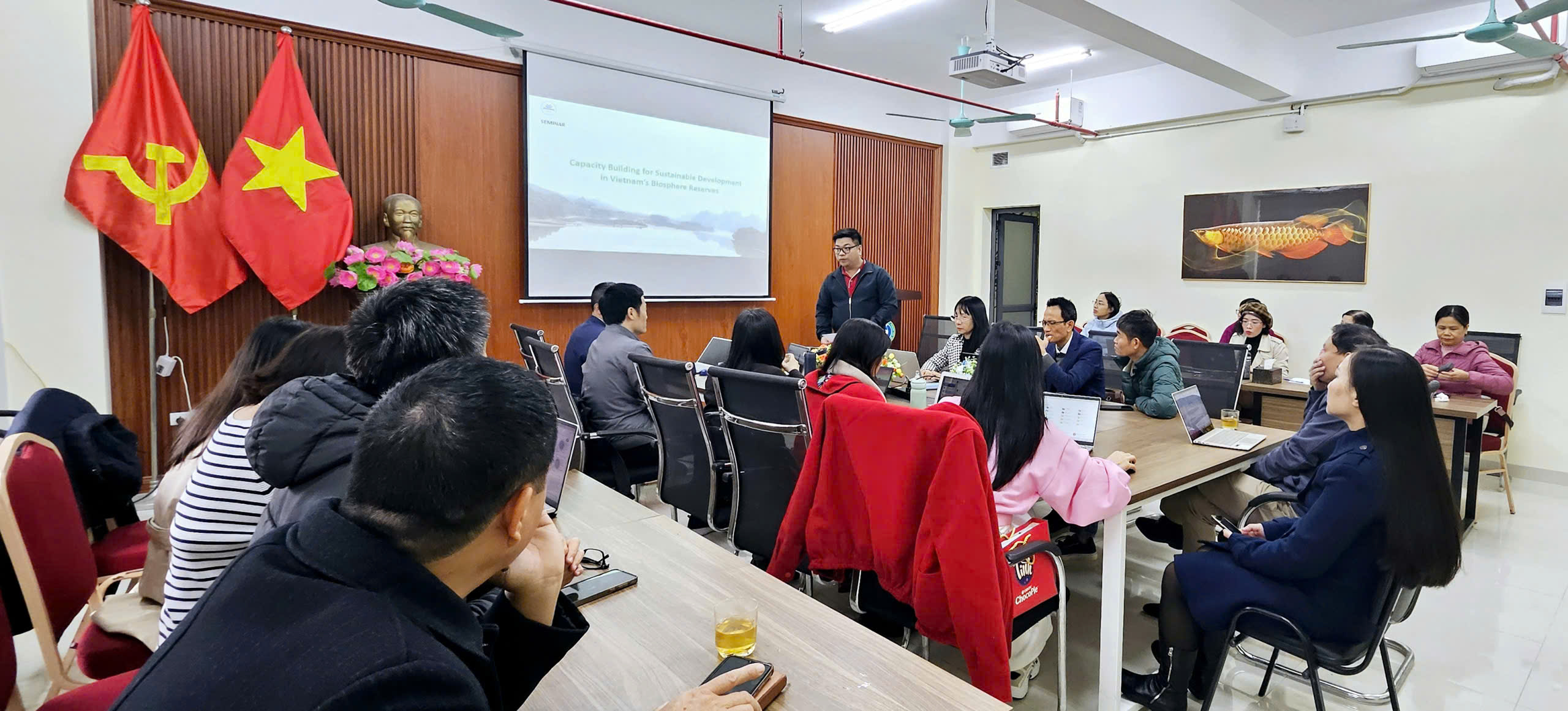
Photo 1. Dr. Trieu Anh Trung serving as the seminar moderator
The seminar began with a presentation by Dr. Nguyen Van Quyen entitled “Capacity Building for Sustainable Development in Vietnam's Biosphere Reserves”. The study was carried out at three research sites, including the Cat Ba Archipelago Biosphere Reserve, Red River Delta Biosphere Reserve, and Western Nghe An Biosphere Reserve, using a participatory research approach that actively involved diverse stakeholders in biosphere reserve management. Through workshops, group discussions, interviews, surveys, and field observations, the research emphasized the role of biosphere reserves as effective models for sustainable development. Based on the research findings, a capacity-building model for sustainable development in biosphere reserves was proposed, highlighting improvements in institutional capacity, strategic planning and action plans, stakeholder cooperation, communication for raising public awareness, as well as financial and administrative management. The project also implemented numerous knowledge-sharing activities, seminars, and international collaborations aimed at enhancing local capacity.
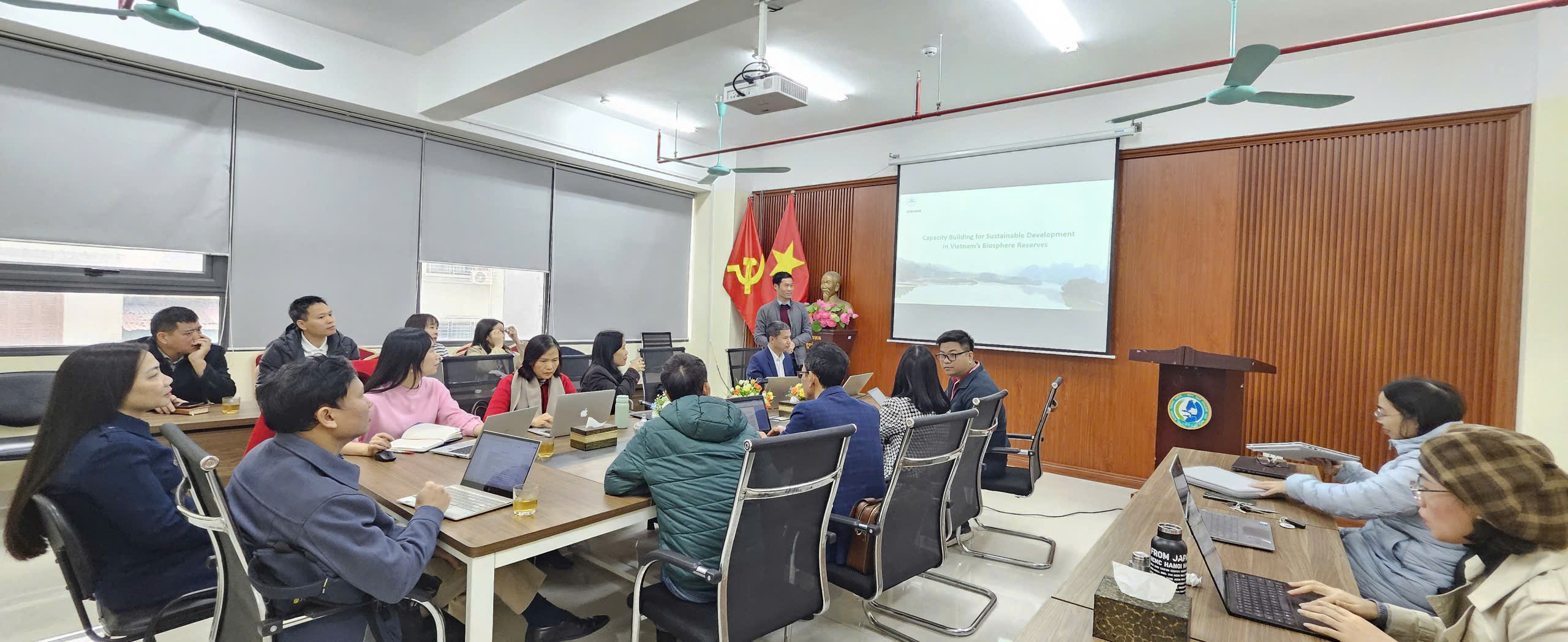
Photo 2. Dr. Nguyen Van Quyen presenting his research at the scientific seminar
The presentation attracted lively discussion from many faculty members, including Dr. Dao Van Tan, Assoc. Prof. Le Thi Phuong Hoa, Tran Thi Thuy, Doan Van Thuoc, and Le Thi Tuyet,.... The discussion focused on research design and survey methods, approaches to changing local community awareness, mechanisms for connecting stakeholders, project outputs and effectiveness, and potential directions for future research.
The second presentation was delivered by Assoc. Prof. Dr. Tran Duc Hau under the title “Diversity, Ecology and Conservation of Goby Fishes in Northern Vietnam”. Goby fishes are one of the largest orders of ray-finned fishes, comprising 321 genera and 2,176 species, including more than 200 freshwater species. The speaker explained the rationale for selecting estuarine ecosystems in northern Vietnam as research sites, citing low winter water temperatures, high fish biodiversity, abundant larvae in the Ka Long estuary, limited previous studies, and the suitability of these areas as model systems for long-term ecological research. The presentation provided an in-depth analysis of goby fish diversity in different regions of northern Vietnam, focusing on morphology, ecology, biological characteristics, and the relationships between species distribution, biodiversity, and ecosystem features. The study also examined morphological changes during early life stages, length-weight relationships, and the condition factor (K), and proposed sustainable exploitation strategies to support conservation and commercial fisheries management. The research findings were based on monthly field surveys conducted across the estuary in northern Vietnam.
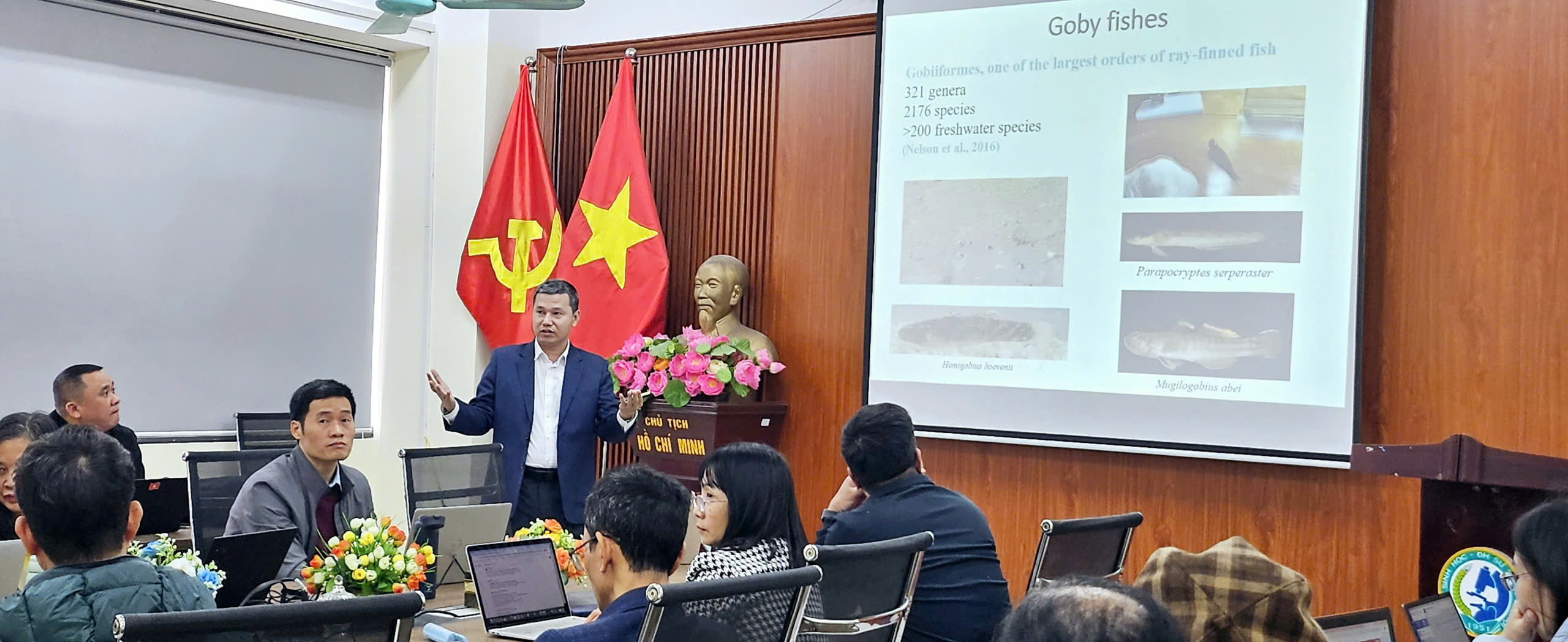
Photo 3. Assoc. Prof. Tran Duc Hau delivering his presentation at the seminar
The discussion following this presentation centered on the application of the condition factor (K) in ecological and fisheries studies, the ecological characteristics of goby fishes, the discovery of new species, and recommendations for conservation and sustainable use of goby fish resources in northern Vietnam.
In his closing remarks, Assoc. Prof. Tran Duc Hau, Dean of the Faculty of Biology, expressed his hope that the two presentations, both related to biodiversity and conservation, would provide valuable scientific insights for faculty members. He also emphasized the importance of maintaining scientific seminars conducted in English and expressed his expectation that this activity would receive strong support from faculty staff and be organized on a monthly or quarterly basis in the future.
Report and photos by Dr. Le Thi Thuy