At the beginning of the seminar, PhD. Tran Khanh Van, Head of the Department, introduced several achievements in undergraduate and postgraduate training. She then presented key research directions focusing on how plant physiology - including growth, biochemistry, yield, and quality - can be regulated through cultivation practices.
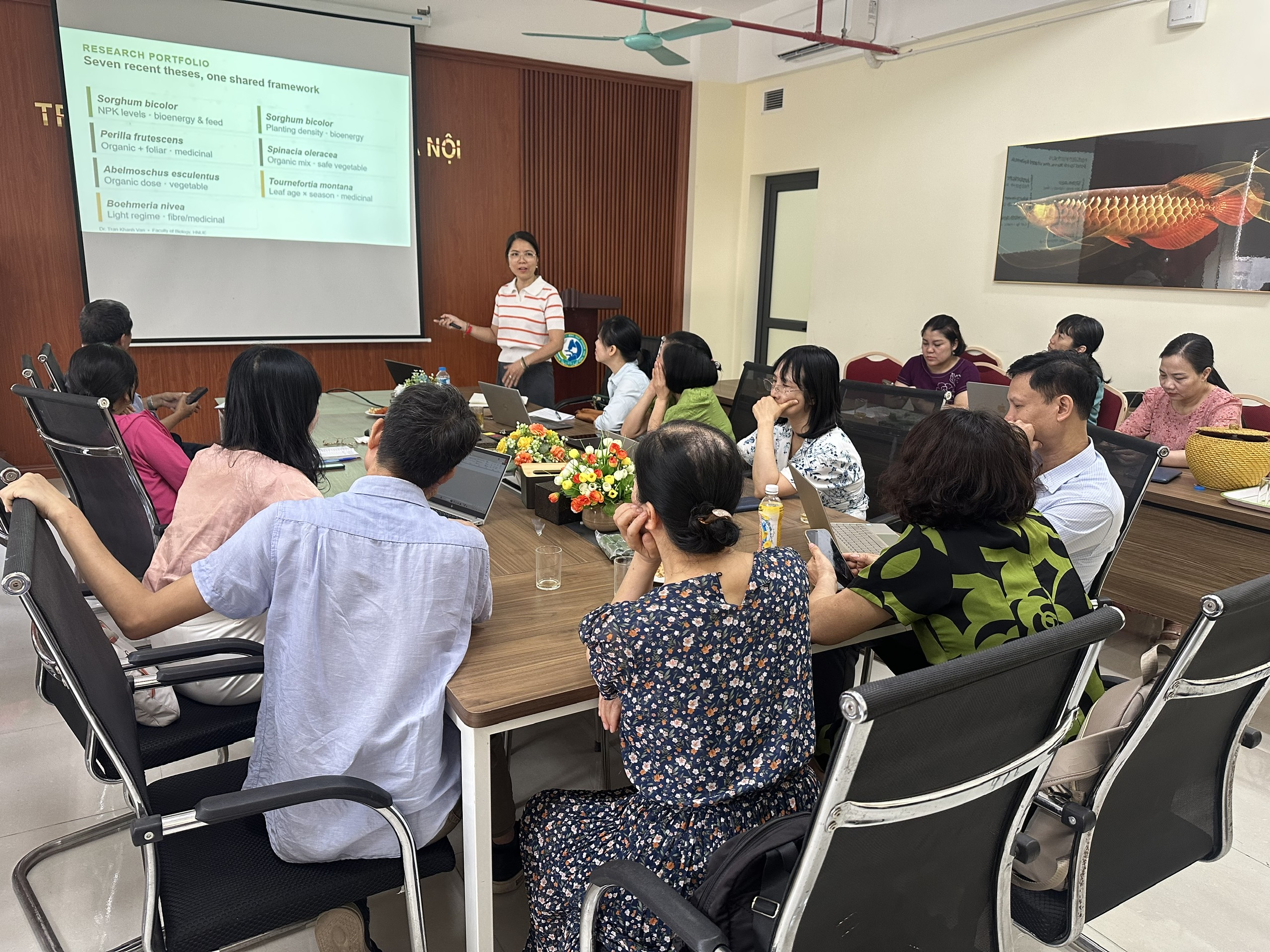
Figure 1. PhD. Tran Khanh Van sharing her research at the seminar
The presentation highlighted two main factors influencing plant performance: nutrient management (mineral versus organic inputs) and growing conditions, such as planting density and light. Experimental studies on several economically important and medicinal plant species, including Sorghum bicolor, Perilla frutescens, and Tournefortia montana L., showed that these factors significantly affect plant growth, biochemical composition, and yield. The speaker emphasized that cultivation practices act as important tools to optimize plant performance. Depending on the production goals, different conditions may be required to achieve either maximum biomass or improved quality. The use of balanced and organic inputs was also suggested as a promising approach toward sustainable production.
The second presentation, delivered by PhD. Le Thi Thuy, focused on research related to hydroponic systems. The talk presented an overview of studies on plant growth and nutrient management in hydroponics, including the effects of nutrient solutions on plant growth, yield, and quality, the impact of nutrient deficiencies, and comparisons between hydroponic and soil-based cultivation systems. The presentation also introduced different plant groups studied under hydroponic conditions, as well as commonly used nutrient solutions and hydroponic systems. Future research directions were discussed, particularly the development of organic hydroponic solutions and strategies to improve system sustainability.
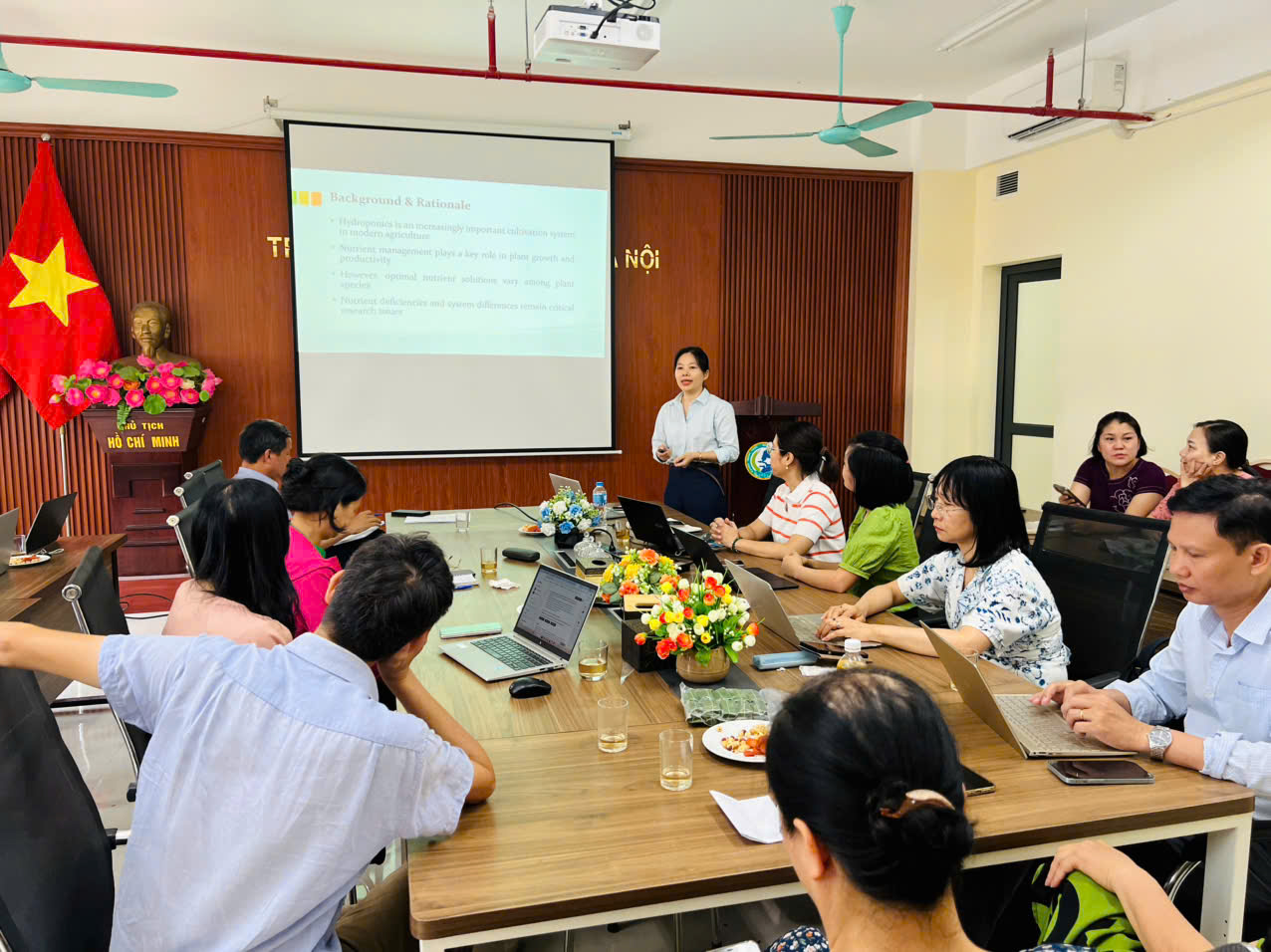
Figure 2. PhD. Le Thi Thuy presenting her research work
During the discussion, the speakers received constructive feedback and valuable recommendations for future research from faculty members, including Dr. Dao Van Tan, Assoc. Prof. Dr. Le Thi Phuong Hoa, Assoc. Prof. Dr. Doan Van Thuoc, Assoc. Prof. Dr. Tran Thi Thuy, and Dr. Nguyen Van Quyen. The seminar attracted considerable interest from participants, leading to an active and engaging discussion session, with questions covering a wide range of topics related to both presentations. For the first presentation, participants raised issues concerning the variability of secondary metabolites in plant samples, the incorporation of environmental and seasonal factors into data collection, and the evaluation of soil characteristics and nutrient status. For the second presentation, discussions focused on the types of organic nutrient solutions used, differences between hydroponic and soil-grown plants, the influence of nutrient solution levels on plant growth, the potential presence of heavy metals in nutrient solutions and vegetables, and the application of beneficial microbial communities to improve system efficiency and plant performance.
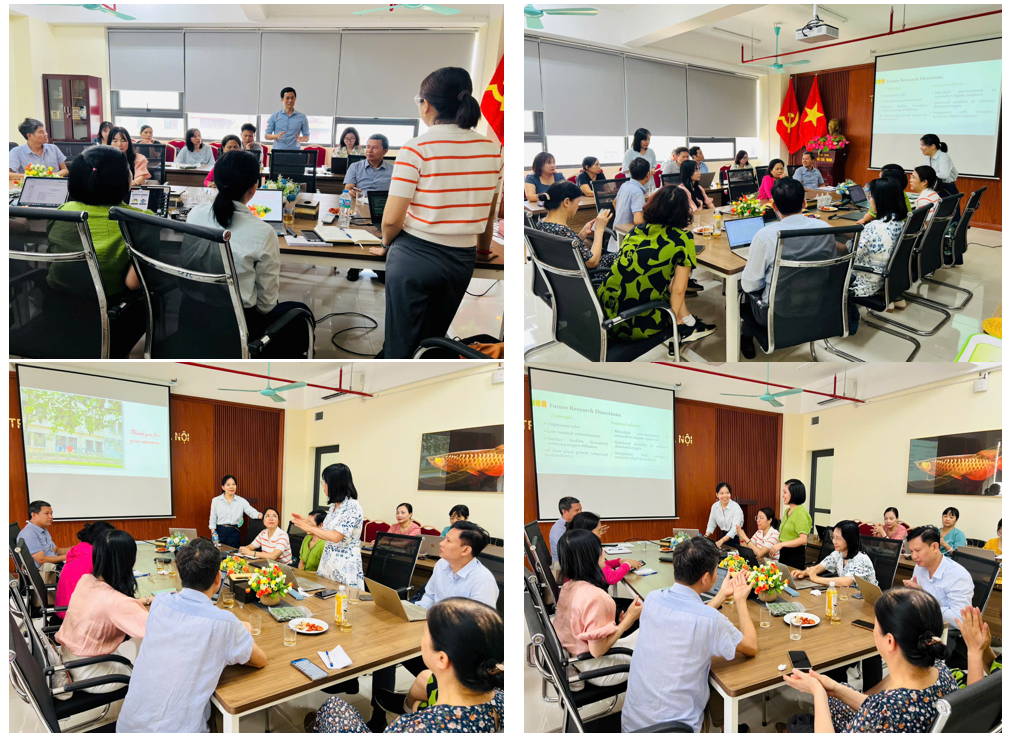
Figure 3. Active discussion session during the seminar
The seminar was conducted in an open and engaging atmosphere, encouraging active discussion and knowledge exchange. It provided an opportunity for faculty members to share research findings, receive constructive feedback, and explore new research ideas. At the same time, the seminar contributed to strengthening academic collaboration and improving English communication skills within the Faculty.
Reported by the Department of Plant Physiology
Photos by: Dr. Nguyen Thi Hong Hanh