On the afternoon of September 14, 2026, the Faculty of Biology, Hanoi National University of Education (HNUE), hosted a scientific seminar entitled “Molecular Insights into eATP–Mediated P2K1 Purinergic Signaling in Plant Stress Responses” The seminar was delivered by Prof. Daewon Kim from the Division of Life Science, Gyeongsang National University, South Korea, and moderated by Dr. Nguyen Van Quyen, Head of the Plant Science and Applications Academic Group, Faculty of Biology, HNUE.
The seminar attracted a large audience of academic staff, researchers, and students from the Faculty of Biology. The event aimed to share recent research findings, promote academic exchange, and explore opportunities for future research collaboration between scientists from the two institutions.
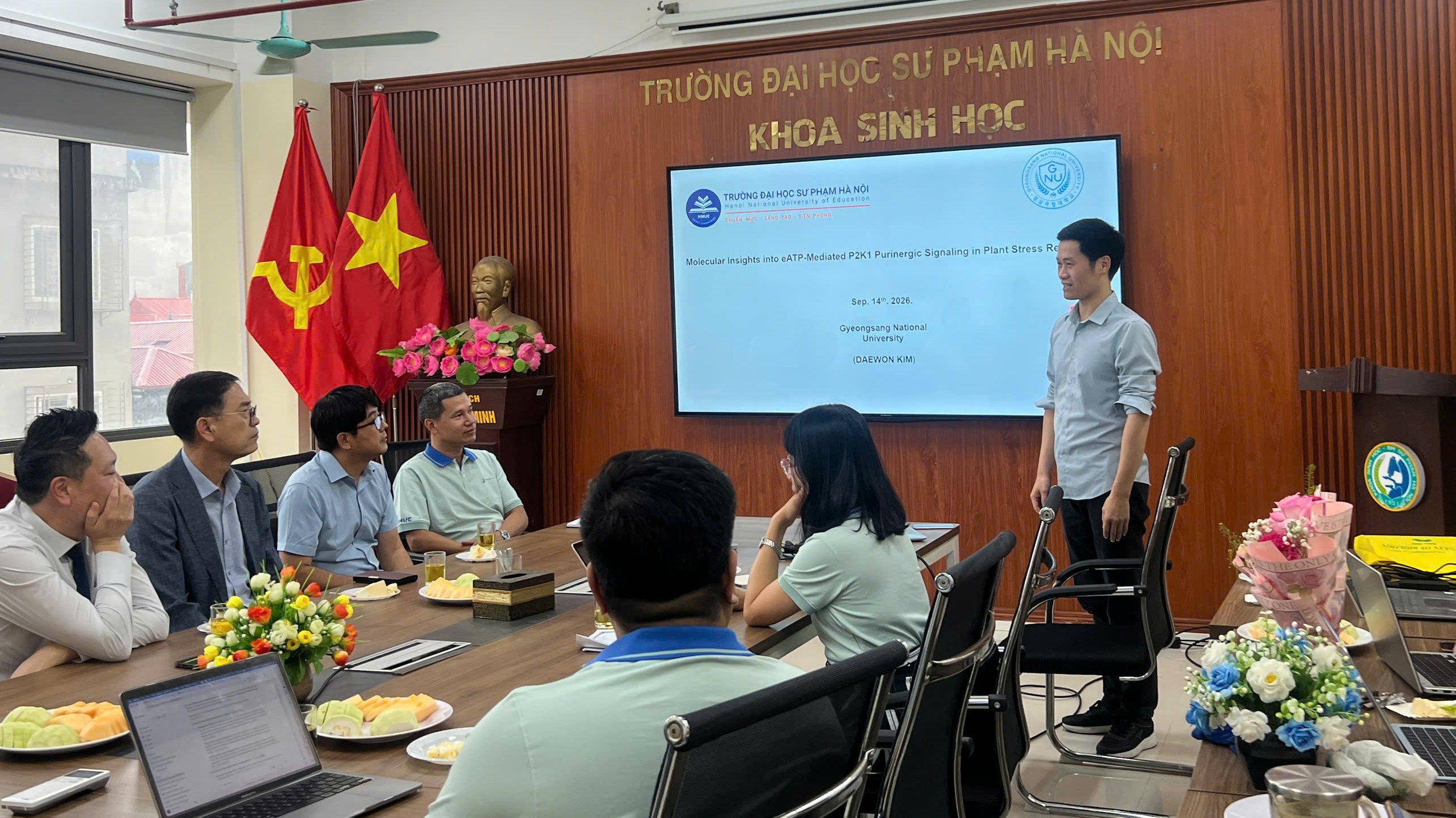
Figure 1. Dr. Nguyen Van Quyen introduces the seminar and the invited speaker
In his presentation, Prof. Kim shared recent findings on the molecular mechanisms underlying extracellular ATP (eATP)-mediated signaling in plant stress responses. When plants are exposed to mechanical injury, pathogen attack, or other stress conditions, ATP can be released into the extracellular space and function as a damage-associated molecular pattern (DAMP). This signal is perceived by the cell-surface purinergic receptor P2K1, which plays an important role in activating downstream signaling pathways associated with plant defense and stress responses.
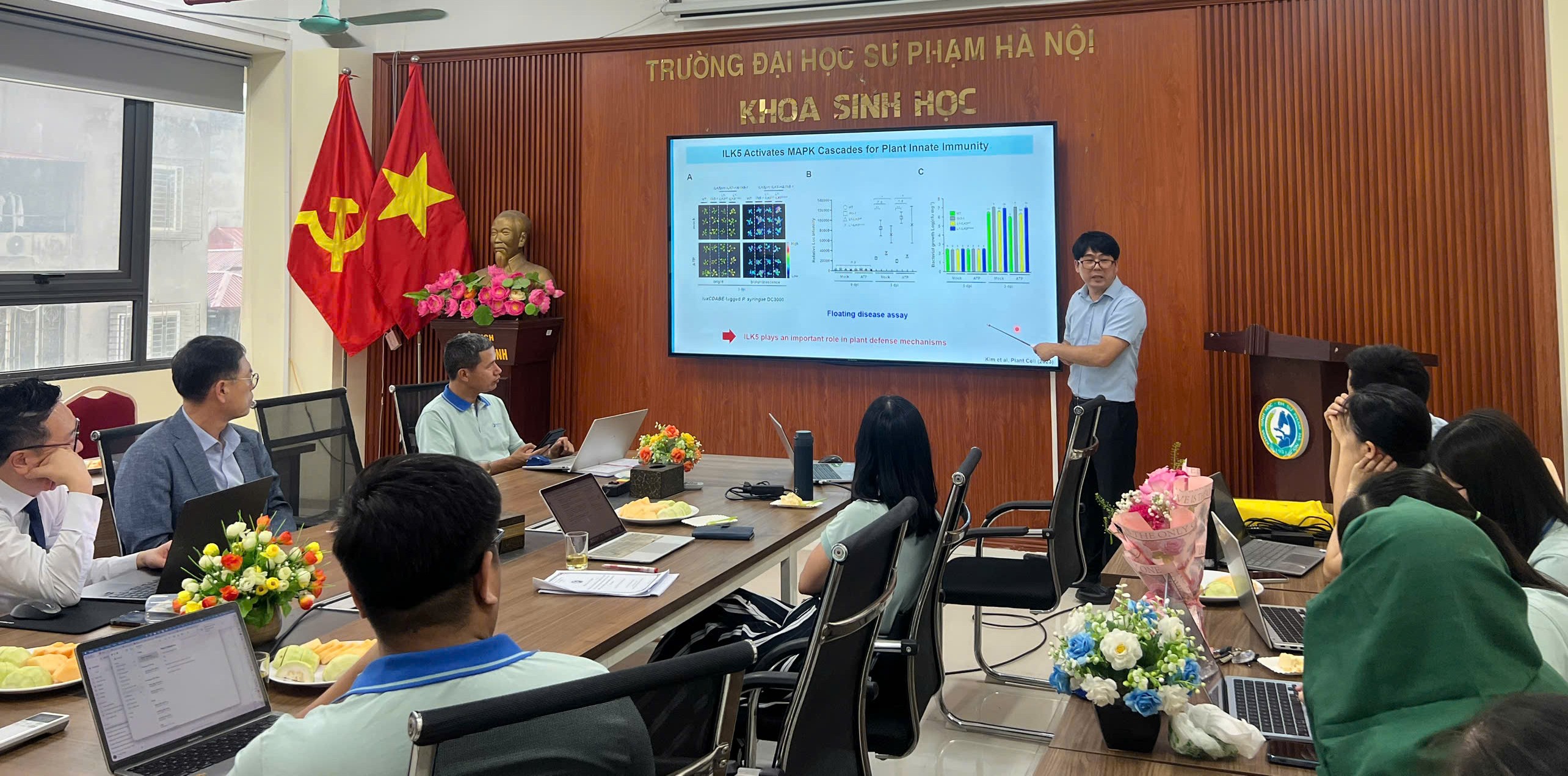
Figure 2. Prof. Daewon Kim presents and shares his research findings at the seminar
Prof. Kim and his colleagues further identified INTEGRIN-LINKED KINASE 5 (ILK5) as a key component connecting P2K1-mediated eATP perception with the mitogen-activated protein kinase (MAPK) signaling cascade. P2K1 directly interacts with and phosphorylates ILK5 at the Ser192 residue, thereby promoting downstream activation of MKK5 and subsequently MPK3 and MPK6. This signaling pathway contributes to the regulation of plant innate immunity and stomatal closure. The study also showed that ILK5 expression is induced by a range of biotic and abiotic stimuli, including eATP, Pseudomonas syringae infection, the bacterial elicitor flg22, mechanical wounding, and other environmental stresses. These findings provide new insights into how plants perceive danger signals and coordinate molecular responses to changing environmental conditions.
Following the presentation, an active discussion took place between the speaker and participants. The discussion covered various signaling pathways, mechanisms of action, and plant responses to abiotic stress, with particular attention to the link between stress perception and stomatal regulation. Participants also discussed the translational potential of this research in major crop species such as rice and soybean, given the evolutionary conservation of extracellular ATP perception and downstream MAP kinase signaling modules across plant species. These shared signaling features suggest promising opportunities for applying fundamental insights from model plants to improve crop stress resilience and, potentially, crop performance and quality.
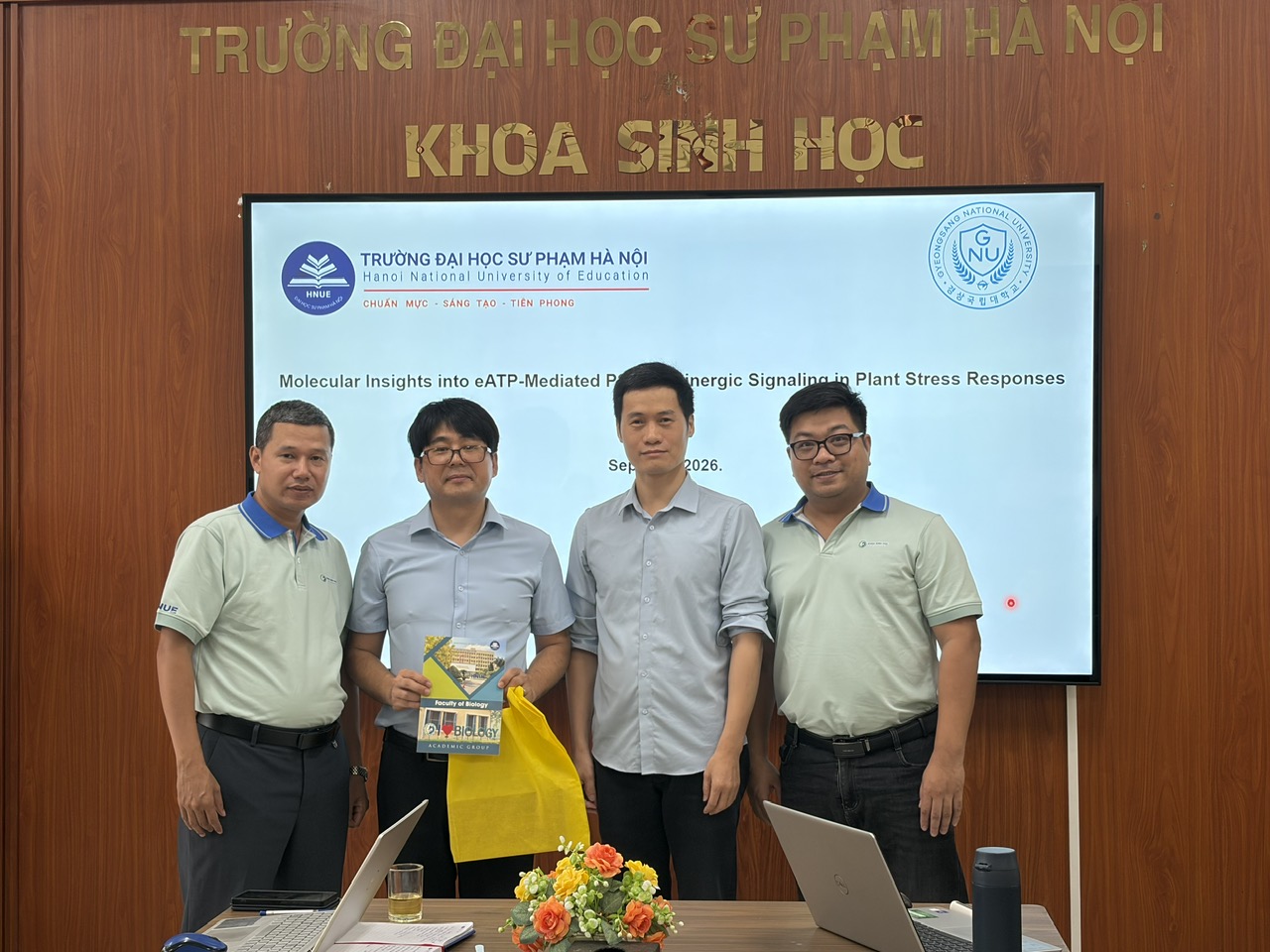
Figure 3. Prof. Daewon Kim receives a commemorative gift from the Faculty of Biology
The seminar provided a valuable forum for scientific exchange and contributed to strengthening the academic and research environment at the Faculty of Biology. It also opened up opportunities for further interaction and potential collaboration between the Faculty of Biology, Hanoi National University of Education, and Gyeongsang National University in plant molecular biology, stress physiology, and related research areas.
Reported by the Plant Science and Applications Academic Group