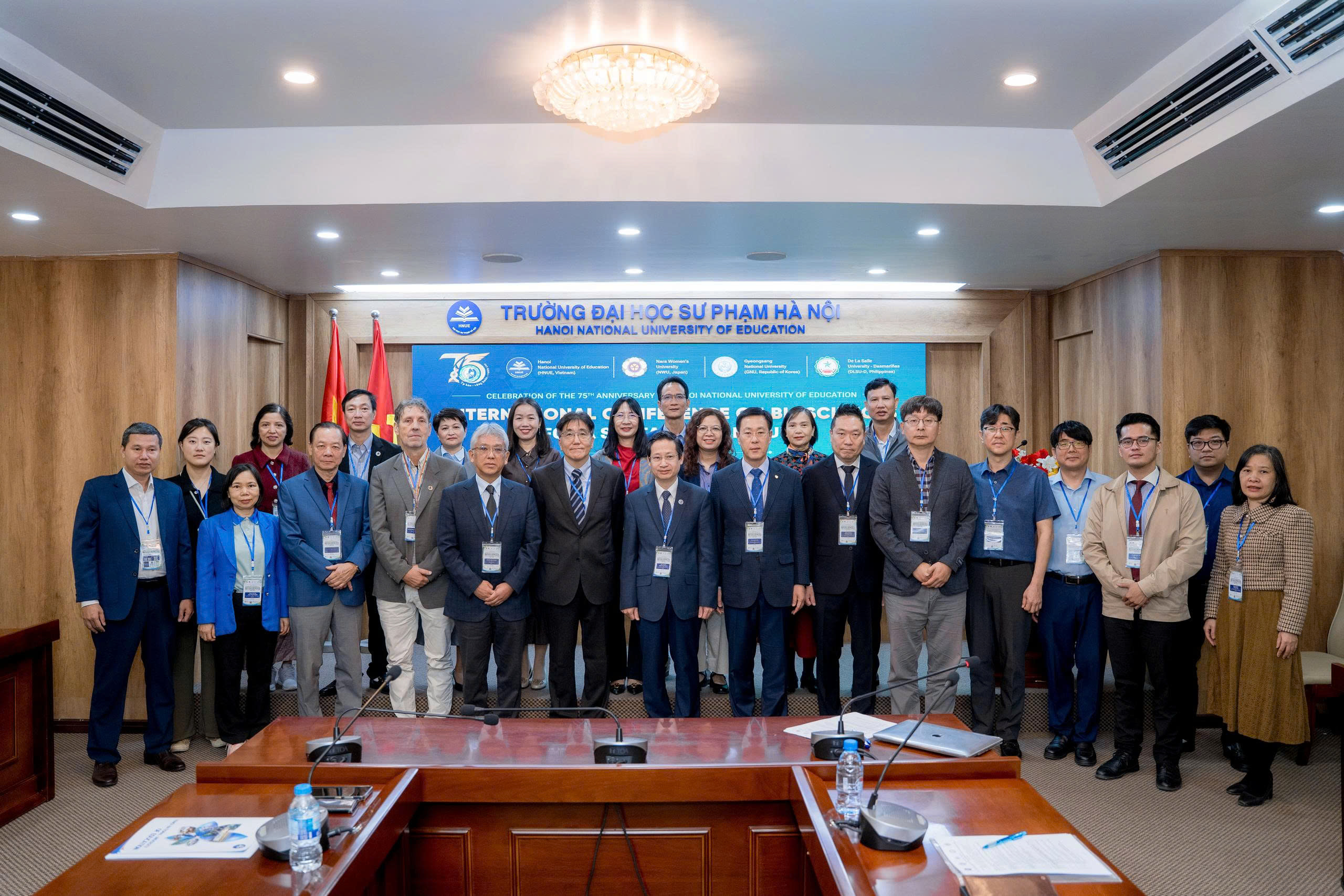
The conference was organized by the Faculty of Biology, School of Natural Sciences and Technology, HNUE, in collaboration with Nara Women’s University, Japan; Gyeongsang National University, Korea; and De La Salle University – Dasmariñas, the Philippines.
In addition to representatives from the co-organizing institutions, BSSF 2026 welcomed scientists from Niigata University, the University of Parma, National Taiwan Normal University and a wide range of Vietnamese universities and research institutes. Participants from Vietnam, Japan, Korea, the Philippines, Italy, Taiwan and Nigeria contributed to a diverse, international and multidisciplinary academic environment.
An overview of the 2nd International Conference on Biosciences for a Sustainable Future (BSSF 2026) at Hanoi National University of Education
Biosciences in the face of global challenges
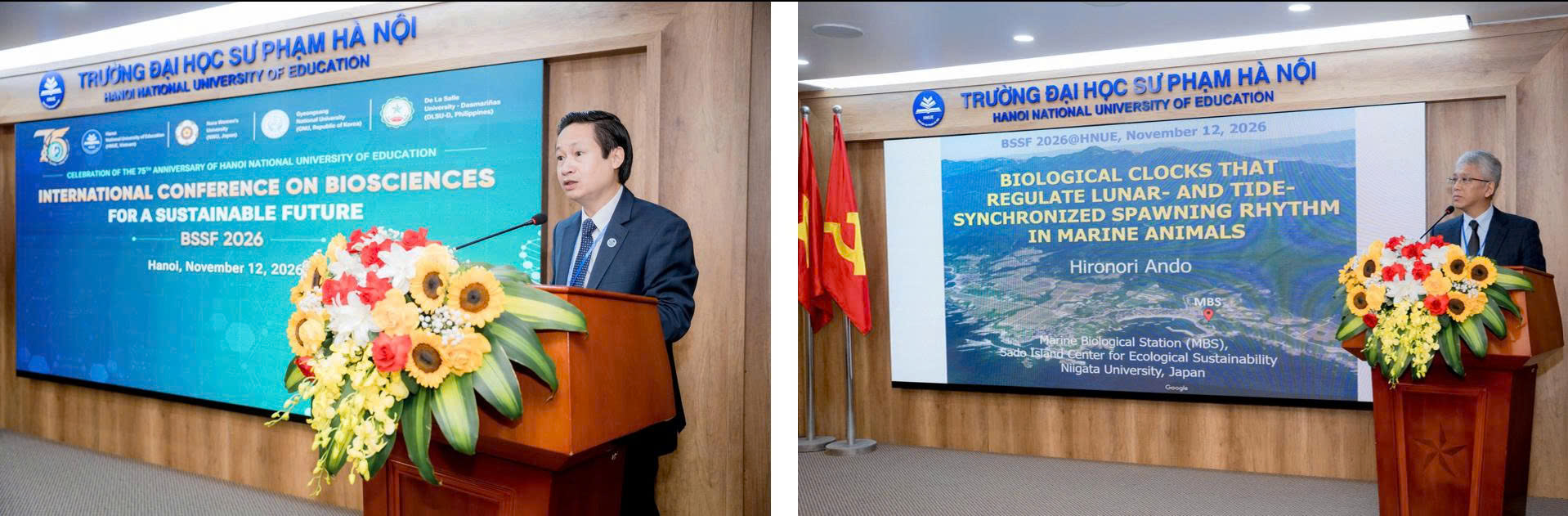
Delivering the opening remarks, Assoc. Prof. Nguyen Lan Hung Son, Vice President of HNUE, highlighted the opportunities and challenges facing the world today, from climate change to the rapid development of digital transformation, artificial intelligence and big data.
Against this backdrop, biosciences have an increasingly important role to play in addressing environmental challenges, food security and human health, while contributing to a more sustainable future.
Assoc. Prof. Nguyen Lan Hung Son, Vice President of HNUE, delivers the opening remarks at BSSF 2026
According to HNUE’s leadership, global challenges cannot be addressed by any individual or country alone. They require stronger scientific connections, open knowledge sharing and close international cooperation. At the same time, higher education programmes in the biosciences must continue to evolve in response to rapid advances in science and technology.
BSSF 2026 was organized as part of a series of activities marking the 75th anniversary of Hanoi National University of Education and the 75th anniversary of its Faculty of Biology. Building on previous international collaboration initiatives, the conference provided a platform for scientists, experts, lecturers and students to exchange research findings, discuss emerging trends and strengthen academic networks.
The conference focused on four major themes: Microbiology, Genomics and Biotechnology; Plant and Animal Sciences and Human Health; Ecology, Biodiversity and Environmental Sustainability; and Biology Education and Innovation in Science Teaching.
From marine biology and gene engineering to AI in education
The morning programme featured two plenary sessions addressing a range of current topics in modern bioscience.
In Plenary Session I, Prof. Hironori Ando of Niigata University, Japan, presented research on biological clocks regulating lunar- and tide-synchronized spawning rhythms in marine animals.
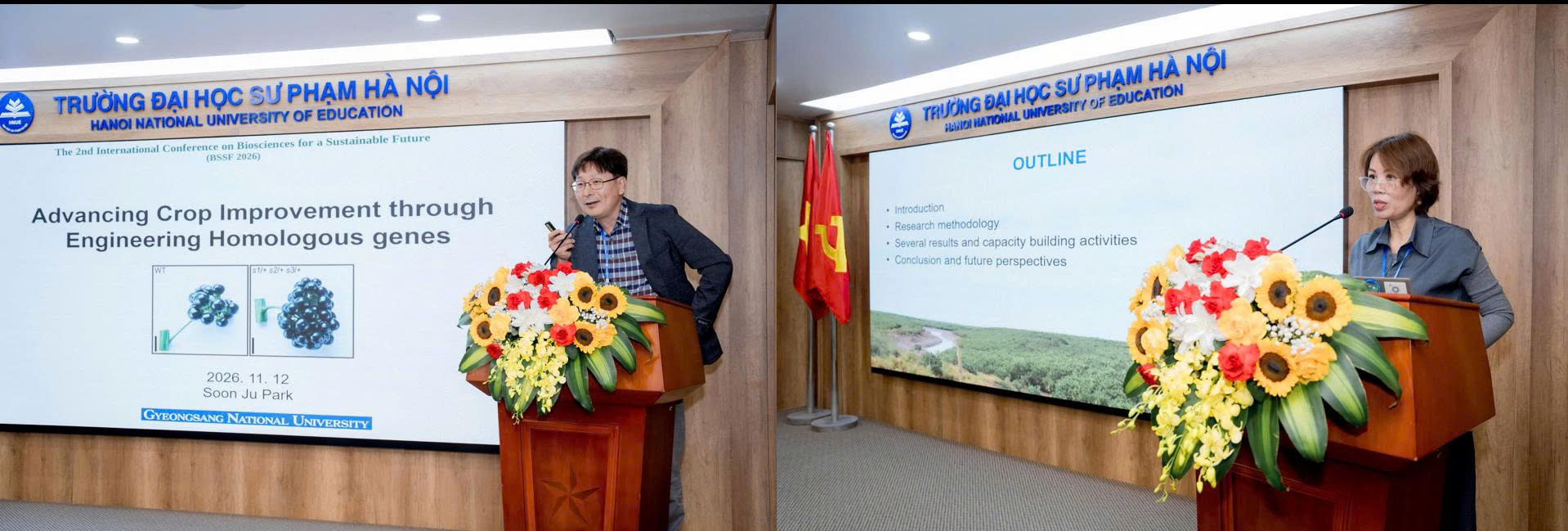
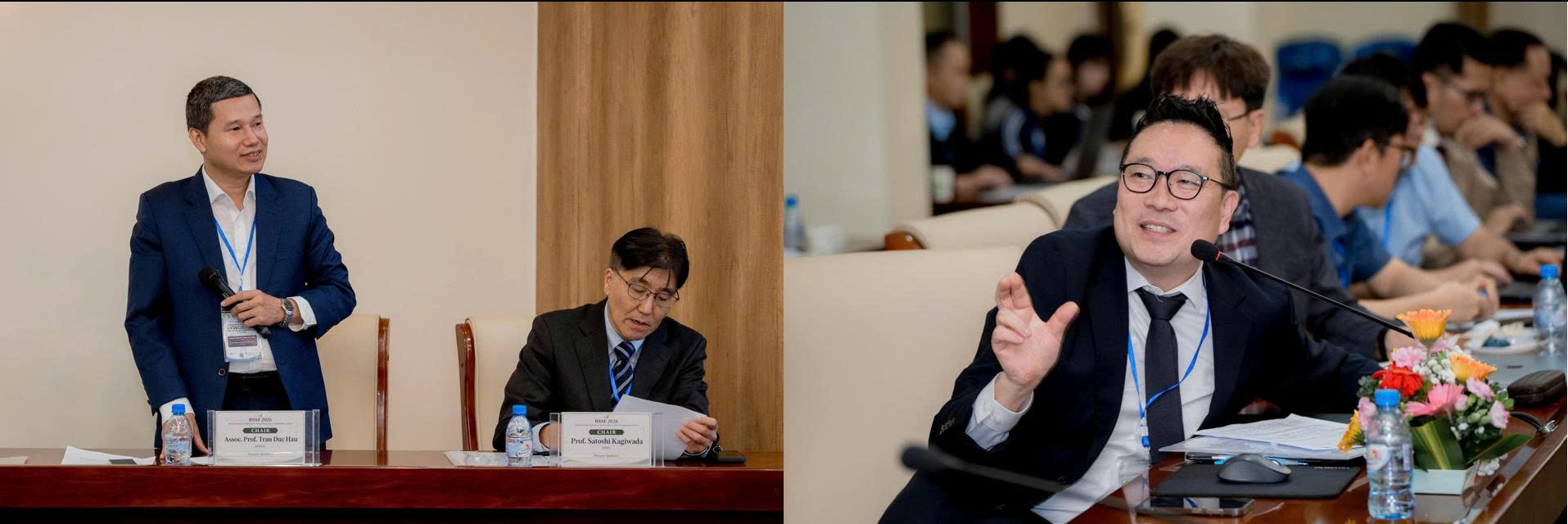
Vu Thuc Hien, PhD candidate and Secretary of the Vietnam National Committee for UNESCO’s Man and the Biosphere Programme, presented on capacity building for sustainable development in Vietnamese biosphere reserves. The session was chaired by Assoc. Prof. Tran Duc Hau and Prof. Satoshi Kagiwada.
In his opening remarks, HNUE’s leadership also acknowledged Prof. Ando’s long-standing contributions to connecting research and education. Over many years, he has organized summer courses in marine biology on Sado Island for students from different countries, including Vietnam.
Researchers present their scientific findings during the conference sessions at BSSF 2026
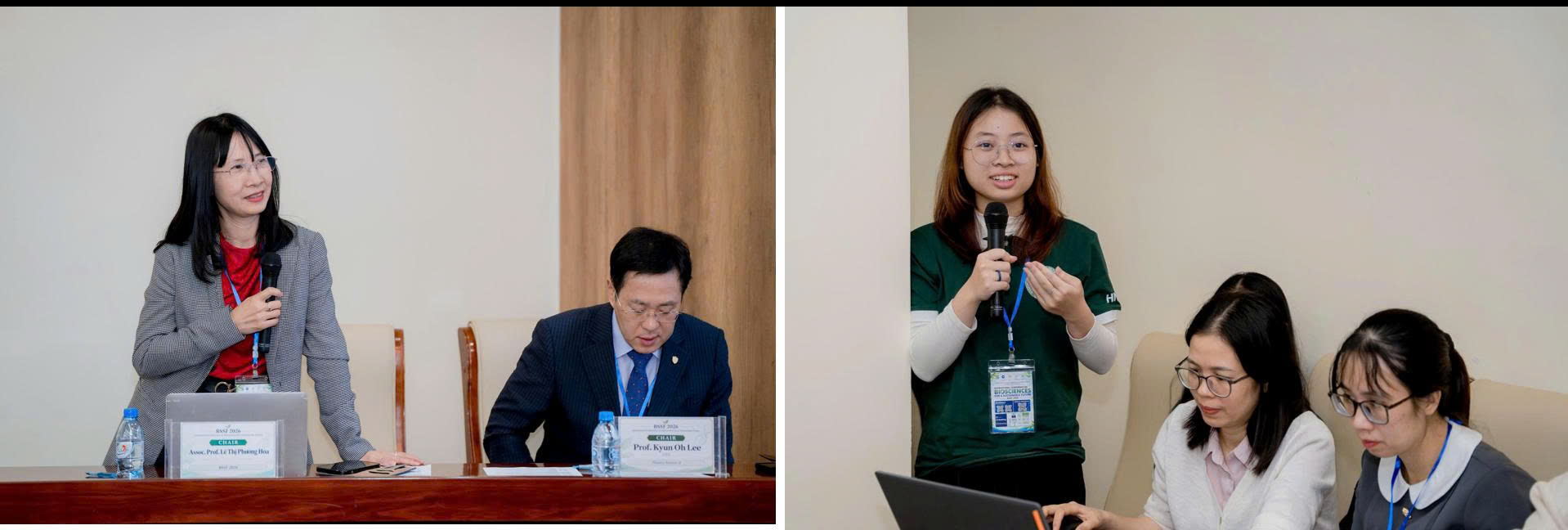
Plenary Session II was chaired by Assoc. Prof. Le Thi Phuong Hoa of HNUE and Prof. Kyun Oh Lee of Gyeongsang National University.
At the session, Prof. Satoshi Kagiwada of Nara Women’s University introduced enzyme localization engineering approaches to enhance the production of triterpenes such as squalene and botryococcene in yeast, while Dr. Soon Ju Park discussed crop improvement through the engineering of homologous genes.
In the afternoon, BSSF 2026 continued with three parallel thematic sessions.
Session 1, on Plant Biotechnology, Microbiology and Genomics, covered topics including carbon allocation in rice, genomic characteristics of lipolytic bacteria, histological features of neurons in fish, fungal cultivation and the nutritional improvement of agricultural by-products for aquafeeds.
Session 2, on Ecology, Biodiversity and Environmental Sustainability, featured research on bats and ectoparasites, zooplankton communities, mangrove ecosystems, fish larvae and morphological variation in fish across different habitats.
Session 3, on Physiology, Health and Biology Education, introduced several emerging research directions. One notable presentation examined deep-brain photoreceptors in the Japanese medaka (Oryzias latipes), offering new perspectives on non-visual light perception in fish.
Other presentations addressed fish health management in marine cage aquaculture, student health issues, and applications of artificial intelligence in self-assessment, peer assessment and biology learning.
A study on central obesity and associated factors among university students was presented online by Dr. Obaje Godwin Sunday of Alex Ekwueme Federal University Ndufu-Alike, Nigeria, further extending the international reach of the conference.
Scientists, lecturers, postgraduate students and undergraduate students actively exchange ideas and engage in academic discussions at BSSF 2026
48 poster presentations create opportunities for young researchers
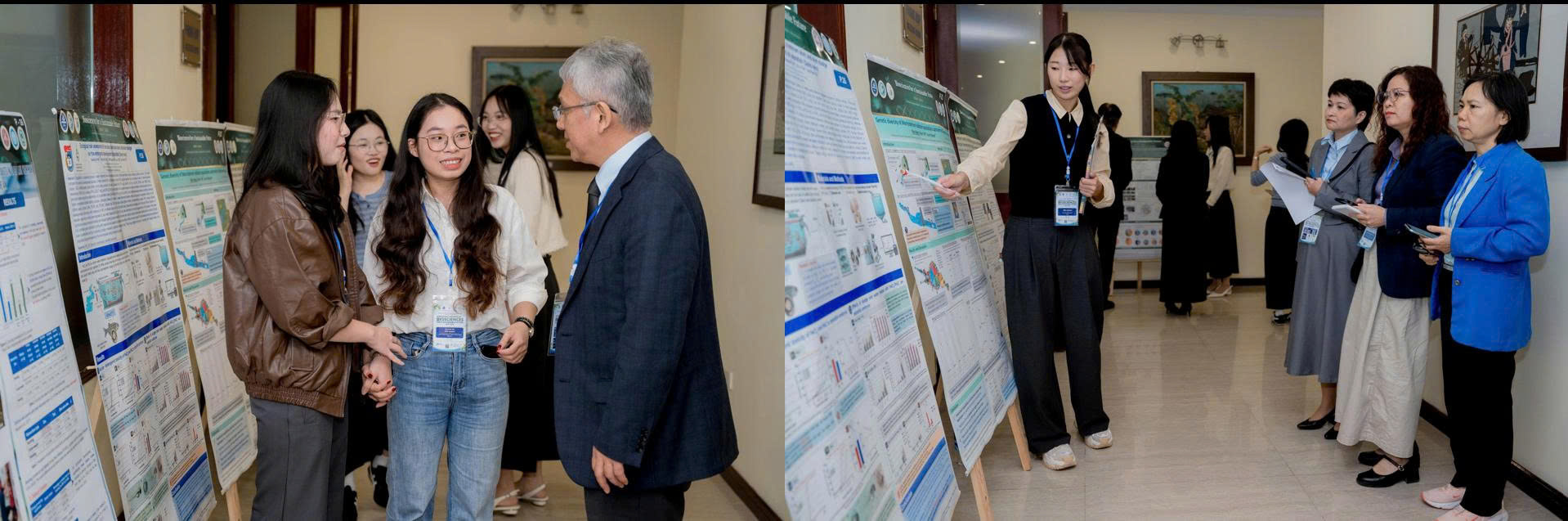
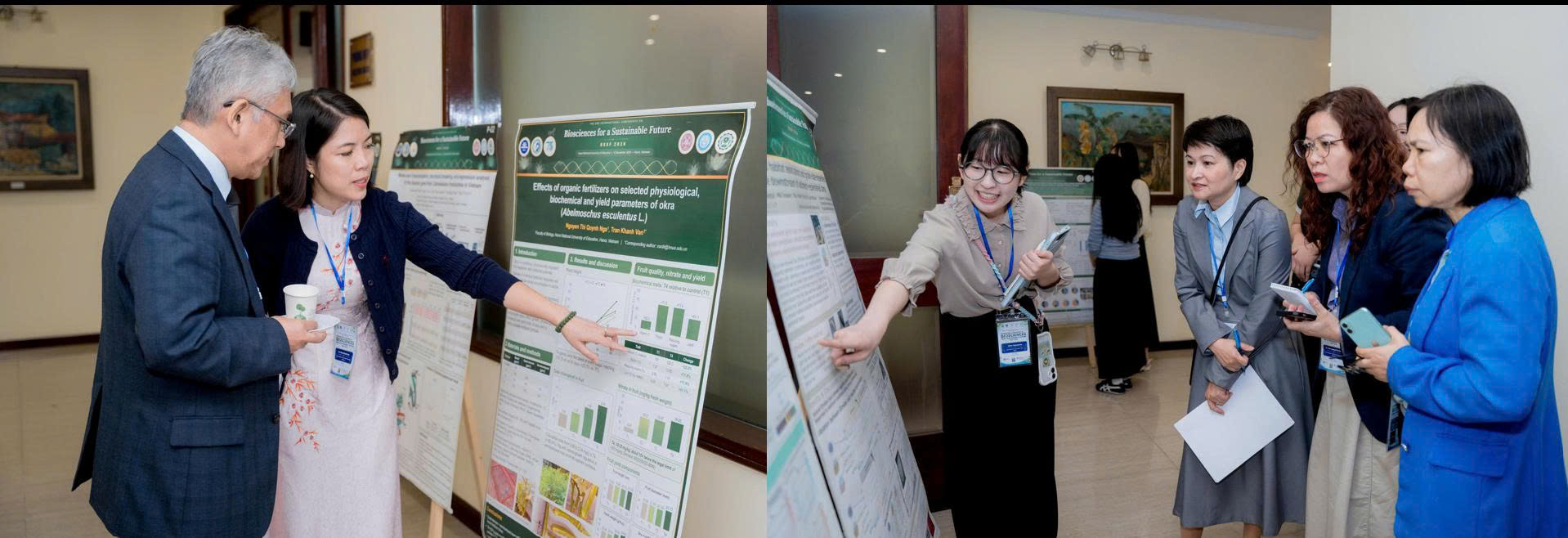
Alongside the plenary and oral sessions, the poster programme was a major component of BSSF 2026, with 48 poster entries spanning microbiology, genomics and biotechnology, human health, ecology, biodiversity and educational innovation.
The studies addressed a wide range of scientific and practical issues, including climate adaptation in living organisms, microorganisms and bioactive compounds, child nutrition and health, food safety, mental health, fish resource conservation, metal toxicity in aquatic organisms and mangrove ecology.
The Biology Education and Innovation theme was particularly notable for highlighting the growing role of digital transformation and artificial intelligence in education. Several studies focused on AI competency frameworks, STEAM project design, learner assessment, digital learning environments and the use of generative AI in biology education.
Poster presentations were evaluated in two rounds. Each presenter was given three minutes to introduce the research and two minutes to respond to questions from the judges, creating opportunities for postgraduate students, undergraduate students and early-career researchers to receive academic feedback and engage directly with the wider scientific community.
The participation of authors from universities, research institutes and even high schools further demonstrated that BSSF 2026 was not only a forum for established scientists, but also a platform to encourage younger generations to engage in research and international academic activities.
Researchers and students present and discuss their research findings during the poster sessions at BSSF 2026
Outstanding presentations recognized
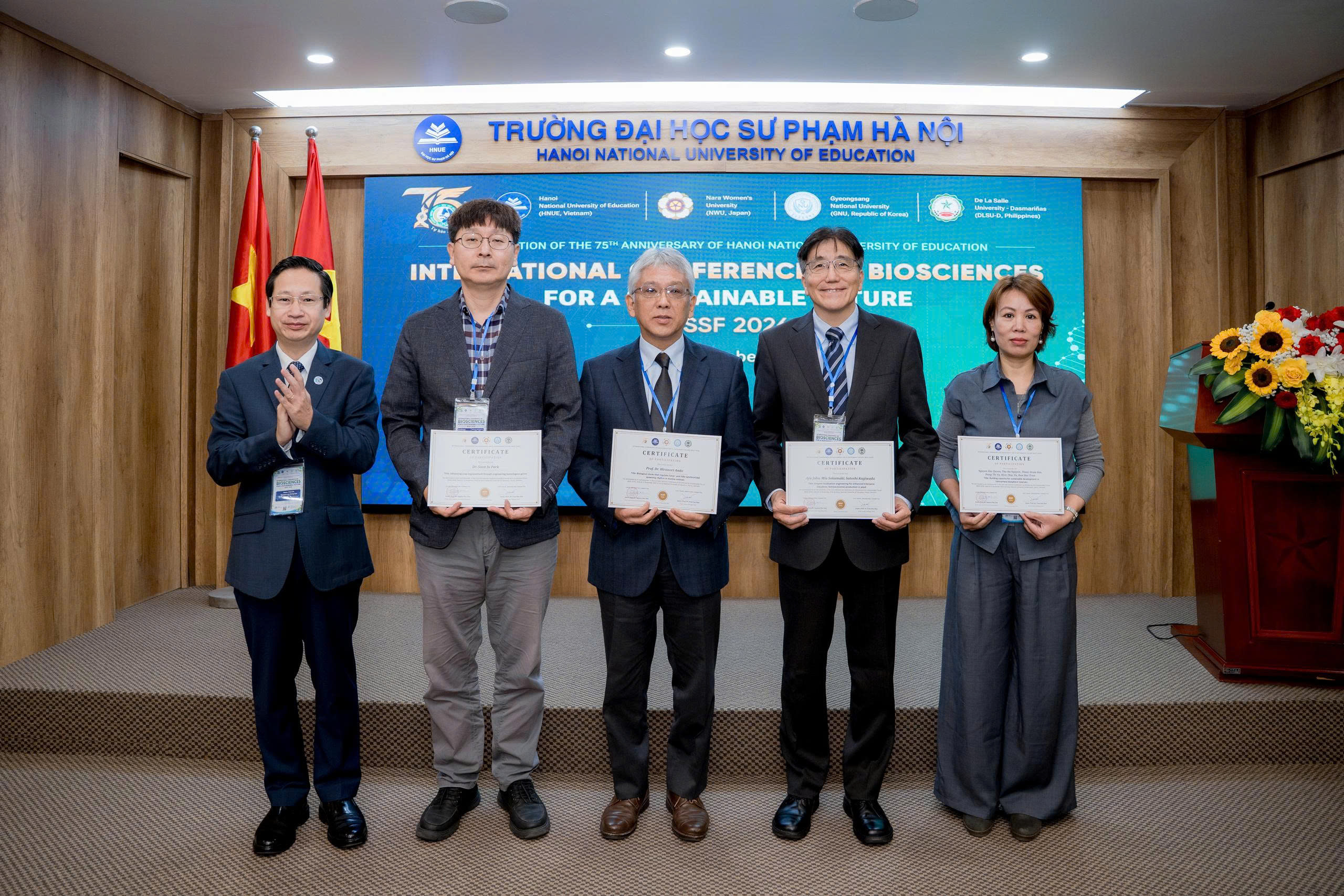
At the closing session, the BSSF 2026 Organizing Committee presented awards for outstanding oral and poster presentations.
The Best Oral Presentation awards went to Lei Angela M. Urrea of De La Salle University – Dasmariñas, the Philippines; Do Linh Chi of Hanoi National University of Education; and Miyuu Hanasato of Nara Women’s University, Japan.
The Best Poster Presentation awards were presented to Hoa Quynh Pham, Faculty of Biology, VNU University of Science, Hanoi; Hoang Le Minh, Faculty of Biology, Hanoi National University of Education; Nina Tokuyama, Department of Science, Nara Women’s University, Japan; Nguyen Tan Phat, Nguyen Khuyen High School, Ho Chi Minh City; and Tran Thi Thanh Thao, Faculty of Natural Sciences and Technology, Tay Nguyen University.
The diversity of the award recipients, representing universities, international institutions and a high school, reflected the broad reach of BSSF 2026 and its commitment to encouraging young researchers and learners to participate actively in scientific research.
The conference concluded with closing remarks by Assoc. Prof. Tran Duc Hau, Dean of the Faculty of Biology, HNUE.
Through BSSF 2026, HNUE and its partner institutions continued to strengthen research networks and connect scientists across generations and disciplines. Beyond providing a venue for presenting research findings, the conference helped foster interdisciplinary collaboration, create opportunities for young scientists and deepen international cooperation in biosciences for sustainable development.
Some photos from conferences:
Bài: Nguyễn Thị Hồng Hạnh
Ảnh: Khoa Sinh học